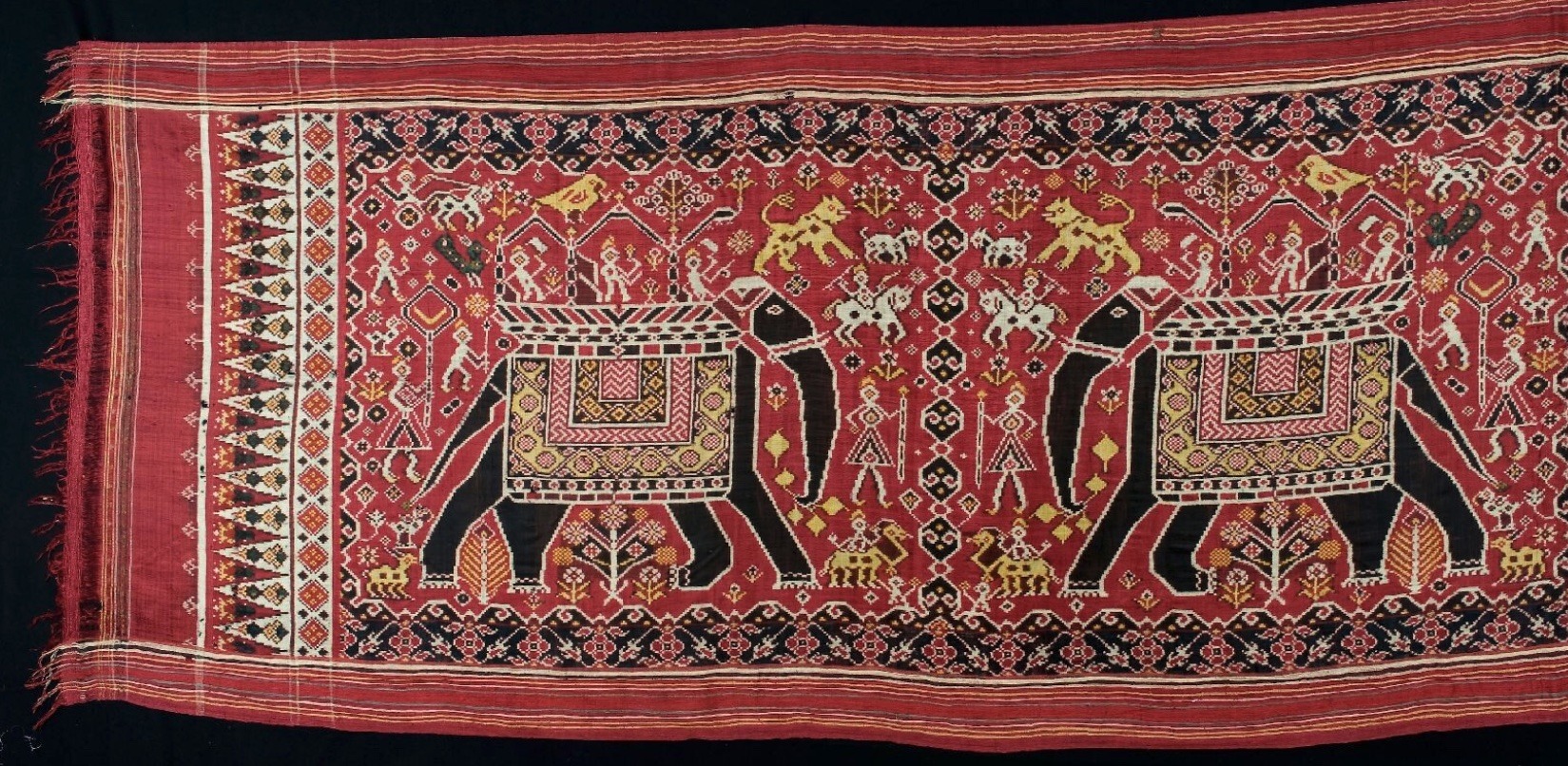
 Patola
 Welcome to the Dutch Textile Trade Project.
This project aims to understand the circulation of globally-sourced textiles on Dutch ships around the world in the seventeenth and eighteenth centuries by examining data drawn from trade records alongside samples of textiles and visual culture depicting textiles in use.
Visual Textile GlossaryWinner of the Renaissance Society of America’s 2024 Digital Innovation Award
Visual Textile
Glossary
The centerpiece of this project, the Visual Textile Glossary, provides each historical textile term with a short definition and a longer essay contextualizing that textile’s production and circulation. Each essay also includes visual and material examples, an interactive web application, and open access data.
All textiles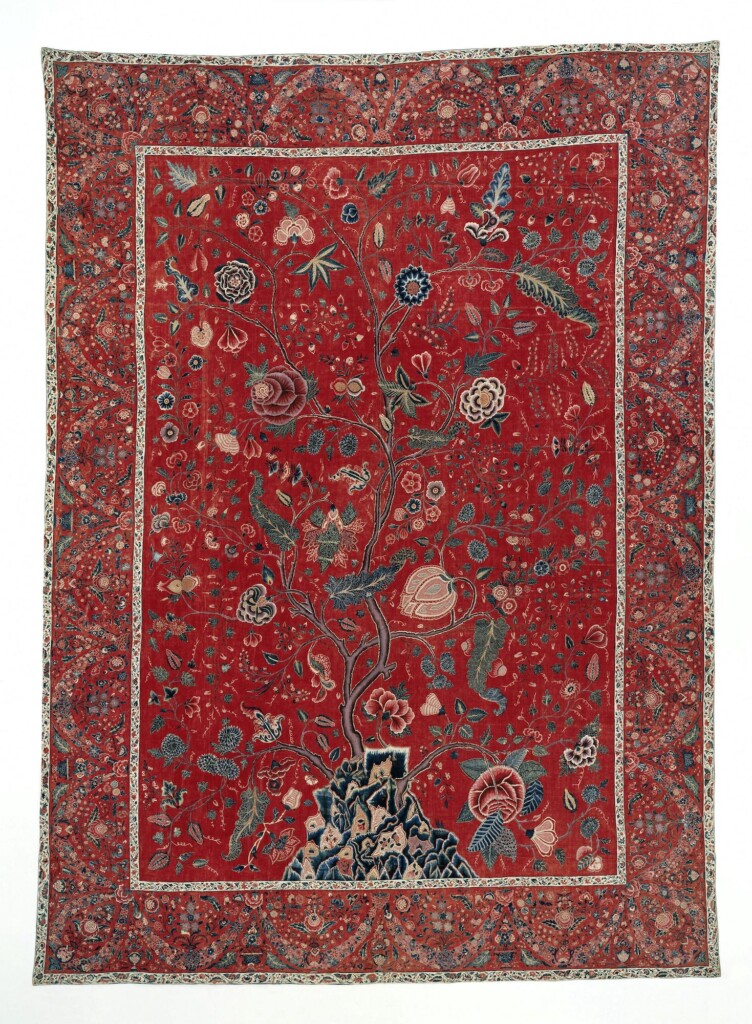
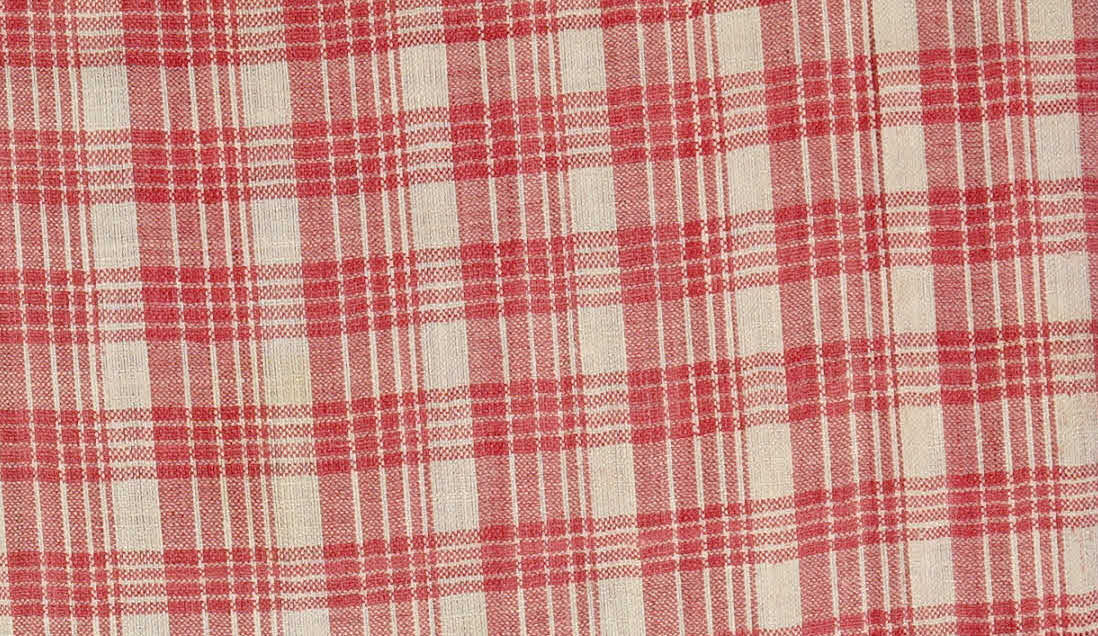
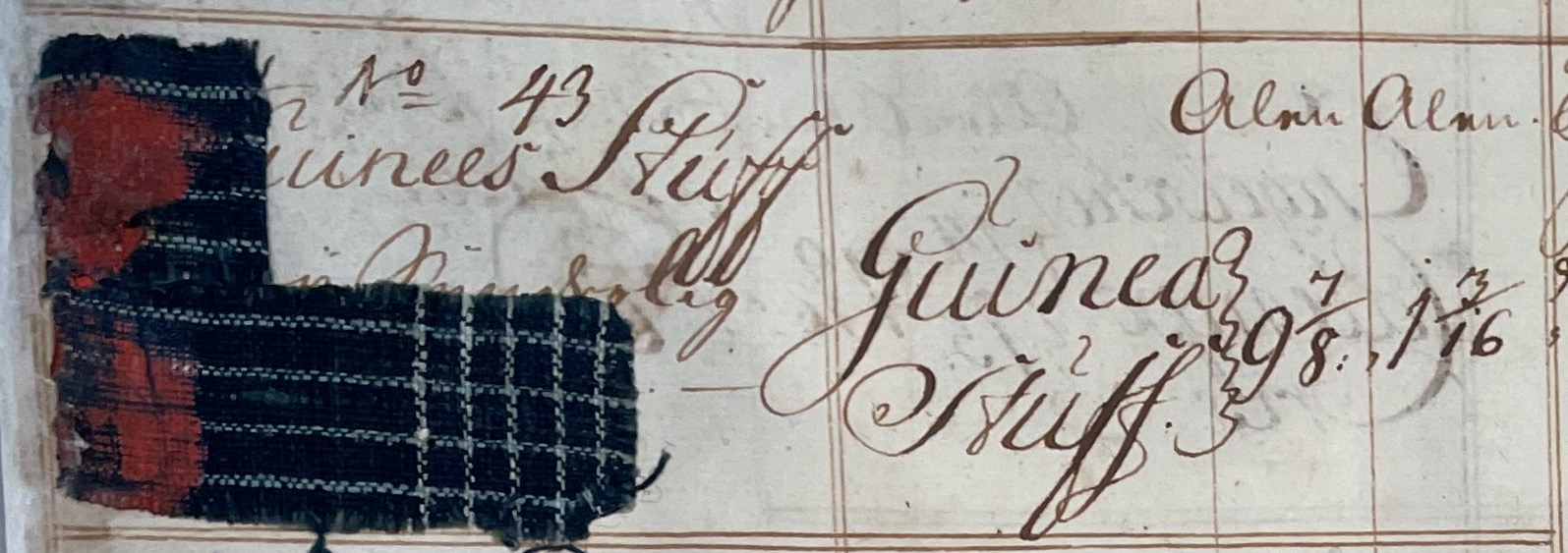
Data
Visualization
These dynamic apps allow users to explore the project data by geography, date, company, textile name and/or descriptors of the textiles found in archival sources (modifiers), and value of textiles, producing data visualizations.
Trade Data Explorer
Swatch Search
Explore our growing database of textile samples and swatches by textile name (if you know it) or (if you don’t) search by attributes (modifiers) like color, pattern, process, weave structure, and fiber.
Textiles, Modifiers, and Values
Explore specific textiles in greater detail, like the quantities, total values, or per-piece values of imported or exported textiles over time or across geographies. Users can compare different types (modifiers) of a given textile.
Textile Geographies
Search the textile data set by a range of archival modifiers—including color, pattern, process, fiber, or quality and visualize this geographically and infographically. Identify specific textile names of interest based on modifiers and geography.