Visual Textile
Glossary
The centerpiece of this project, the Visual Textile Glossary, provides each historical textile term with a short definition and a longer essay contextualizing that textile’s production and circulation. Each essay also includes visual and material examples, an interactive web application, and open access data.
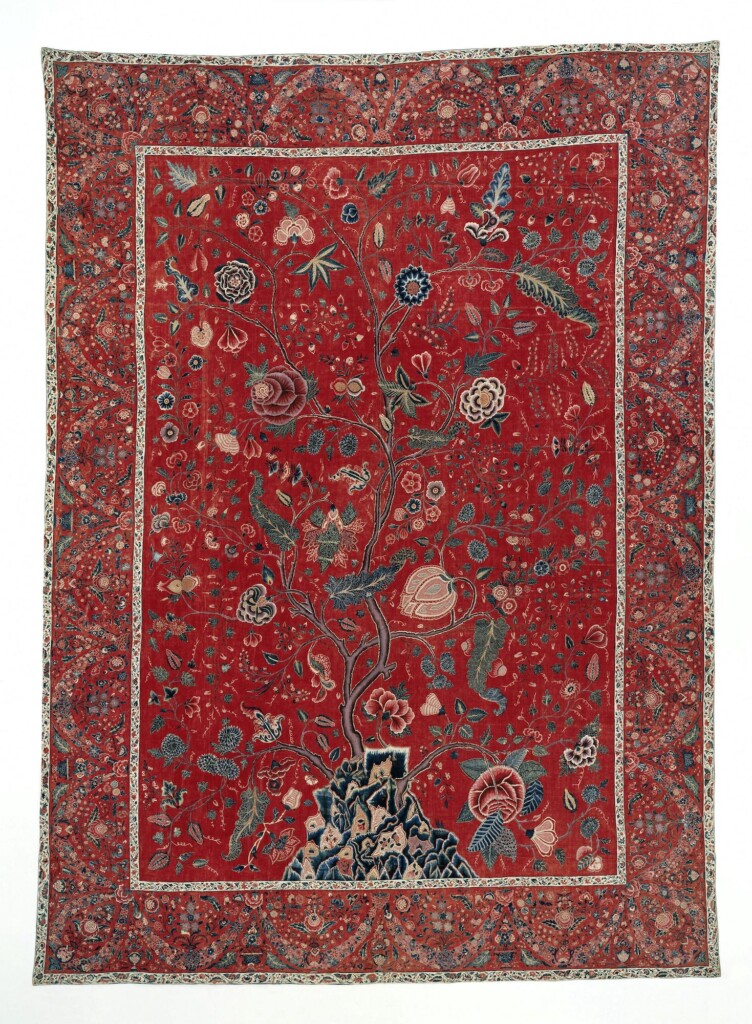
Chintz / Kalamkari
an Indian patterned textile, usually cotton. The pattern is painted and/or printed in multiple stages of dyeing, mordanting, and resist-dyeing. Later imitated with industrial processes
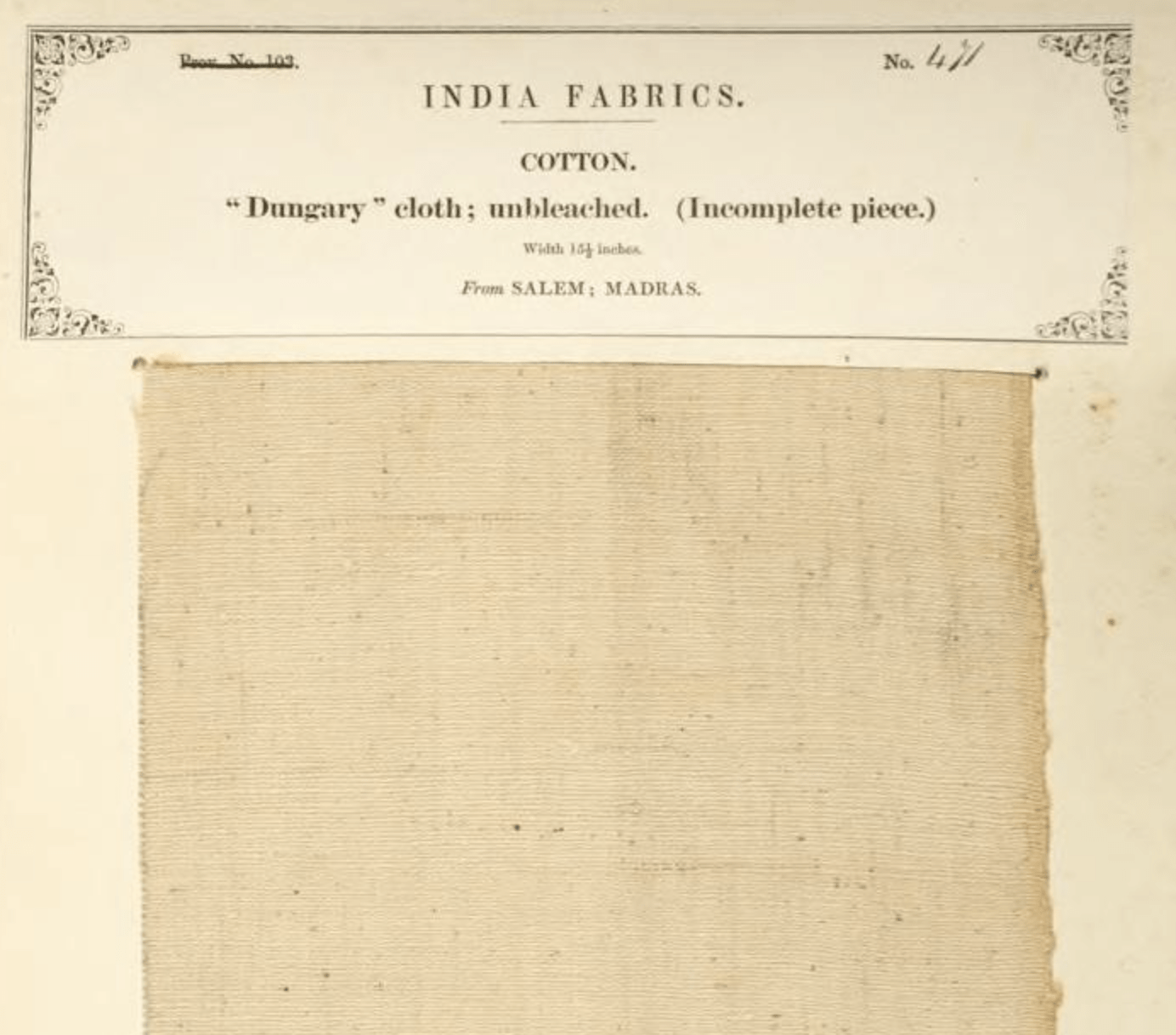
Dongris
A sturdy, utilitarian cloth of cotton, either natural in color (ruw) or bleached white. Exported from India throughout Asia, to Europe, and to the Cape of Good Hope. Traded by the Dutch East India Company, but not the West India Company.
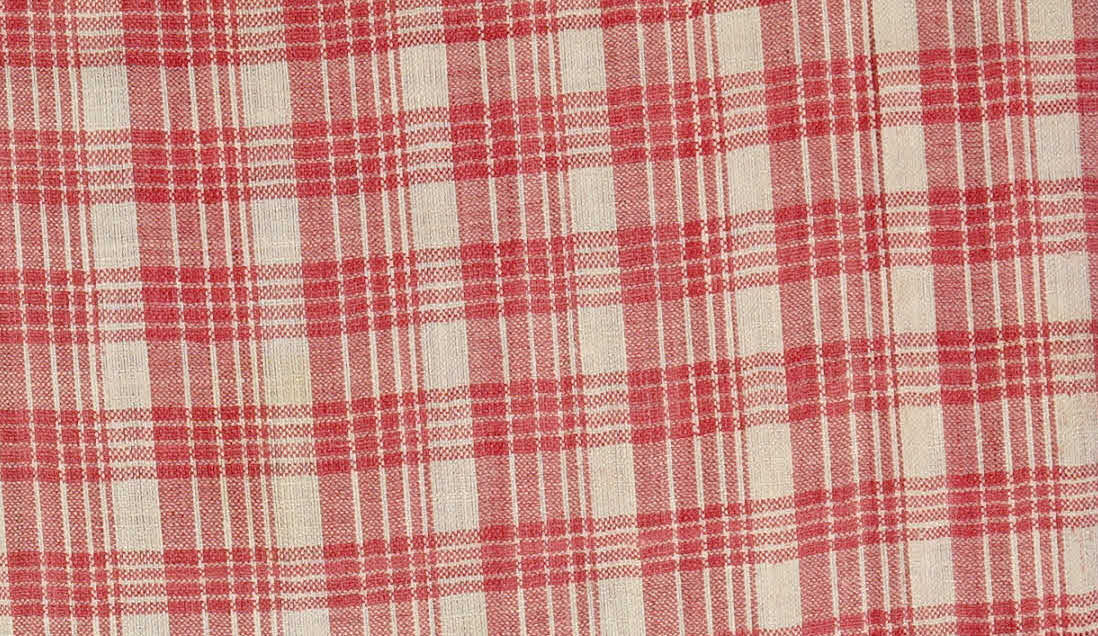
Gingham
An Indian textile made in multiple woven patterns (stripes/checks), colors, and fiber types. Some ginghams may have had a texture, created either by doubled warp and weft threads or mixed fibers. Traded throughout Asia and to the Dutch Republic.
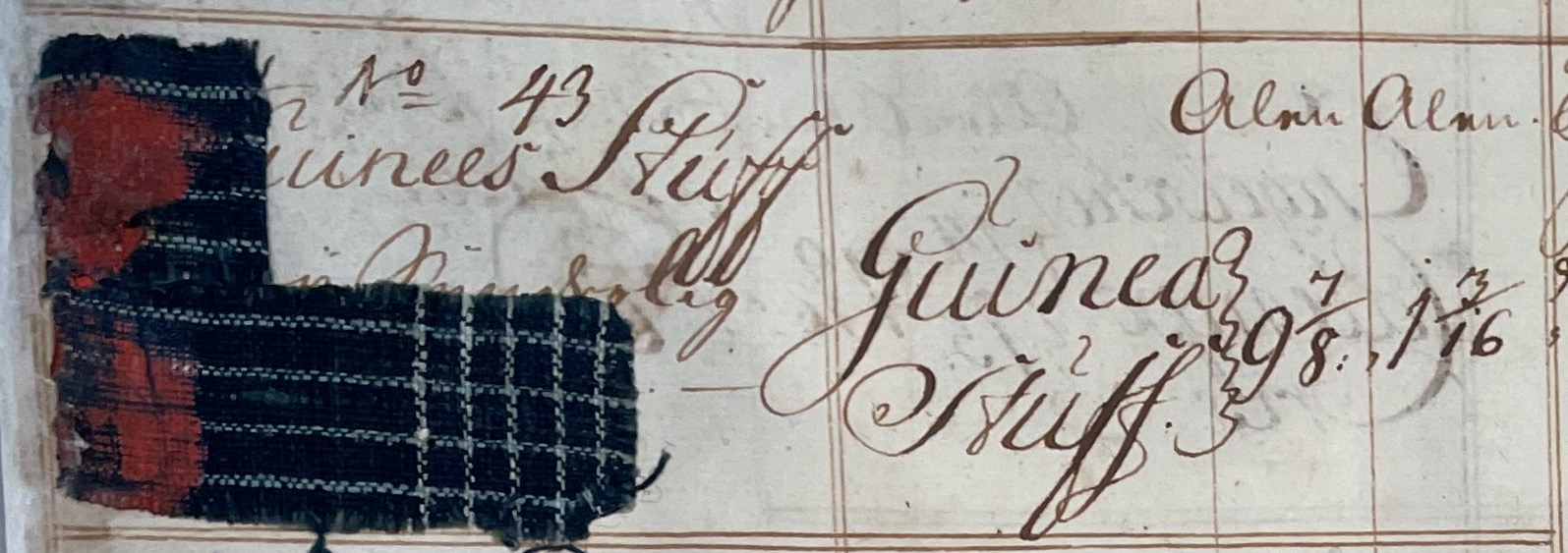
Guinea Cloth
The term “guinea cloth” refers to a category of Indian-made cotton cloths that were typically blue, white, blue-and-white striped, or checked. Guinea cloth circulated widely, reaching markets in Asia, Africa, and Europe.
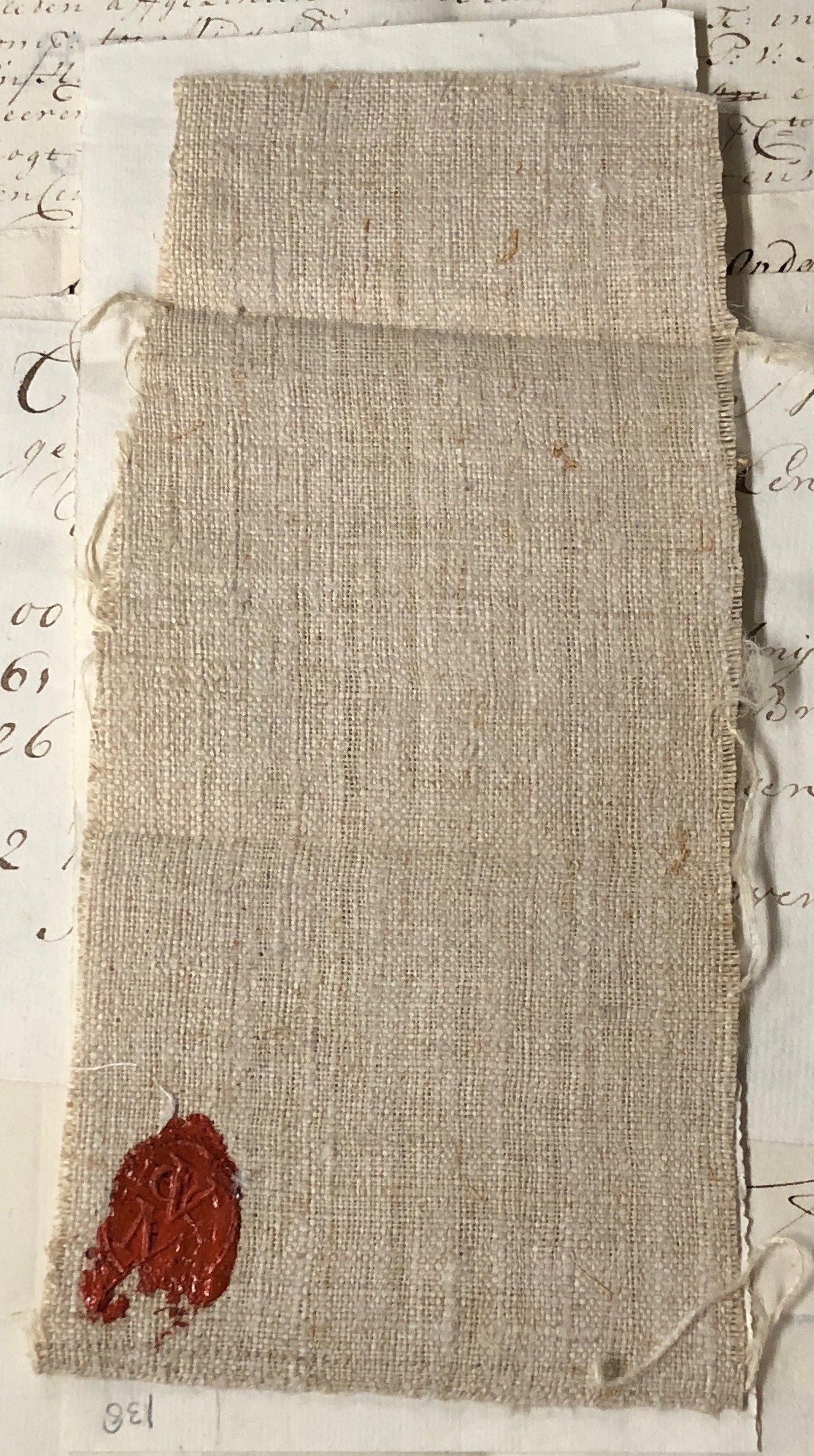
Lijnwaad (linen)
Lijnwaad applies to a category of European-made linens that were bleached, unbleached, half-bleached, colored, striped, checkered, or floral. Lijnwaad is often associated with its place of production, including Holland, France, Silesia and Osnabrück.
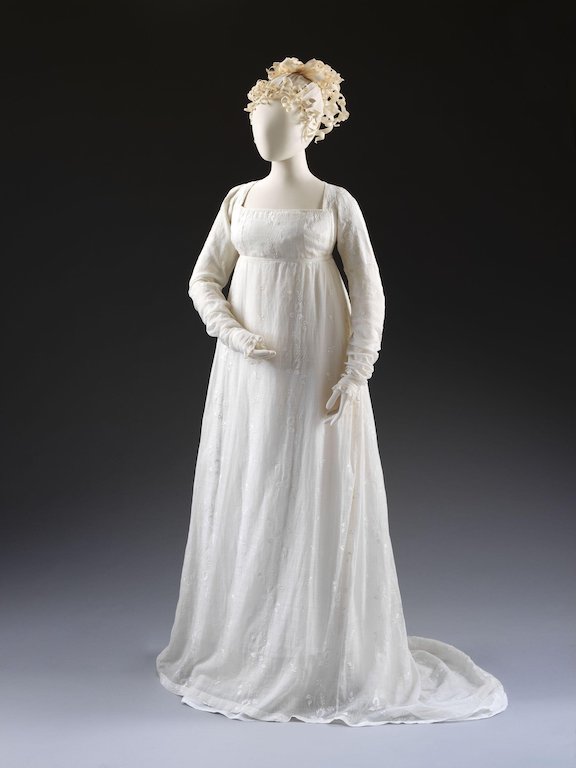
Muslin
A lightweight, semi-transparent, finely-woven cotton cloth, generally white and often embroidered or patterned with supplemental threads.
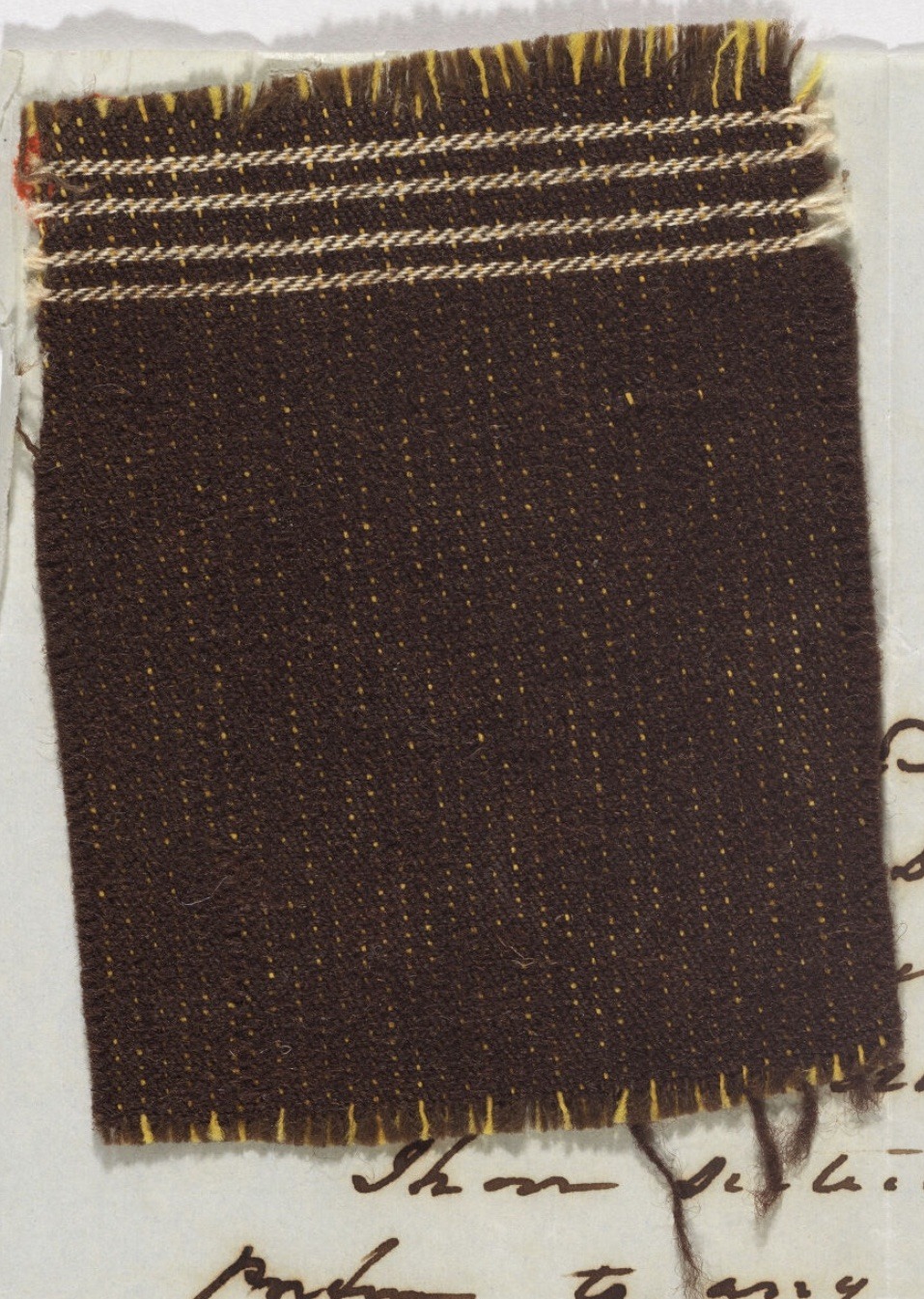
Negro kleden
A durable and coarse cotton or woolen cloth, made in a variety of colors and patterns, possibly a general term for a group of related textiles, primarily associated with the clothing of enslaved people in the Americas.
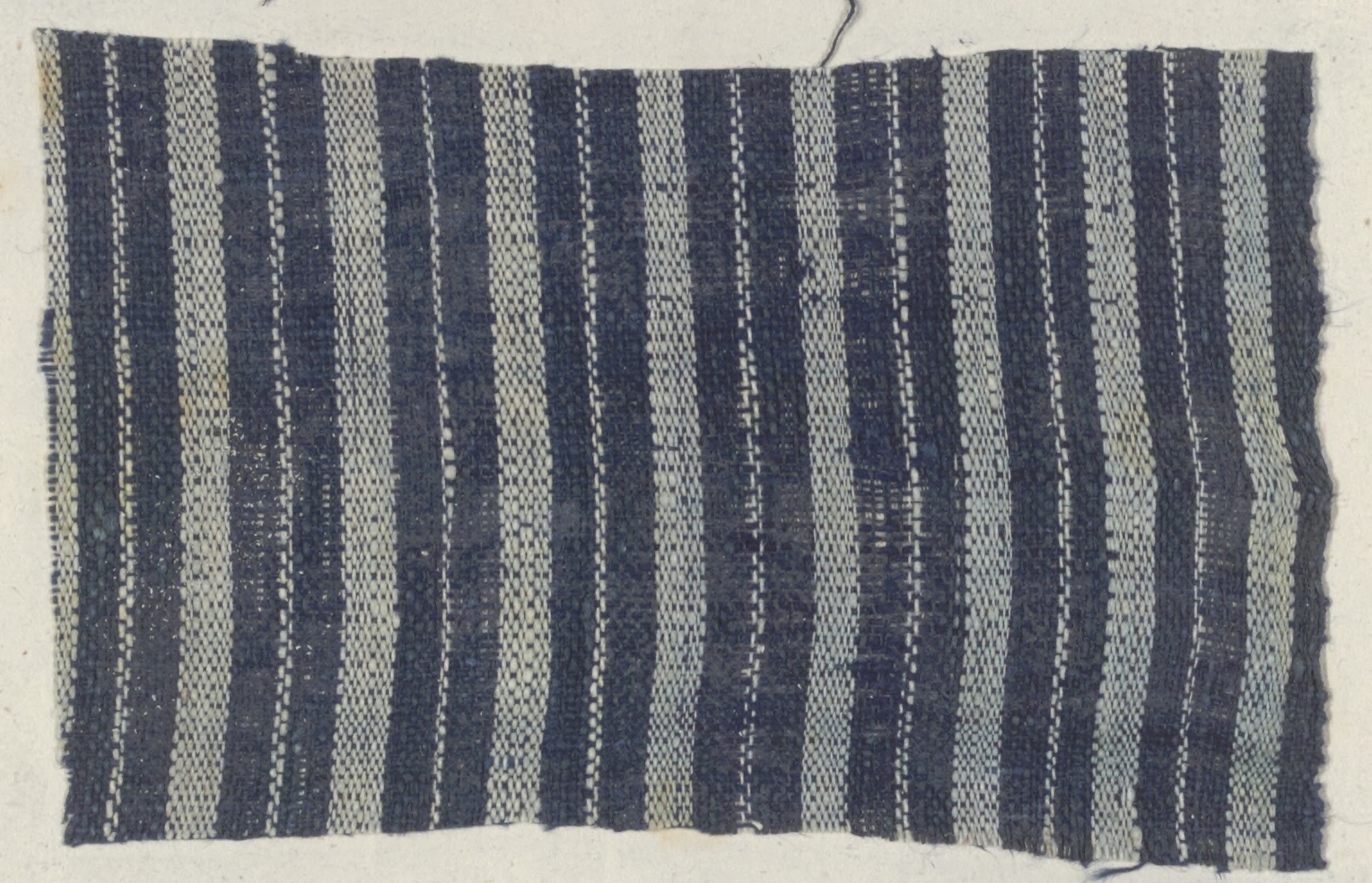
Nickanees
An inexpensive blue-and-white striped loom-patterned cotton textile produced primarily in Gujarat, India and shipped to various ports in South and Southeast Asia and Africa.
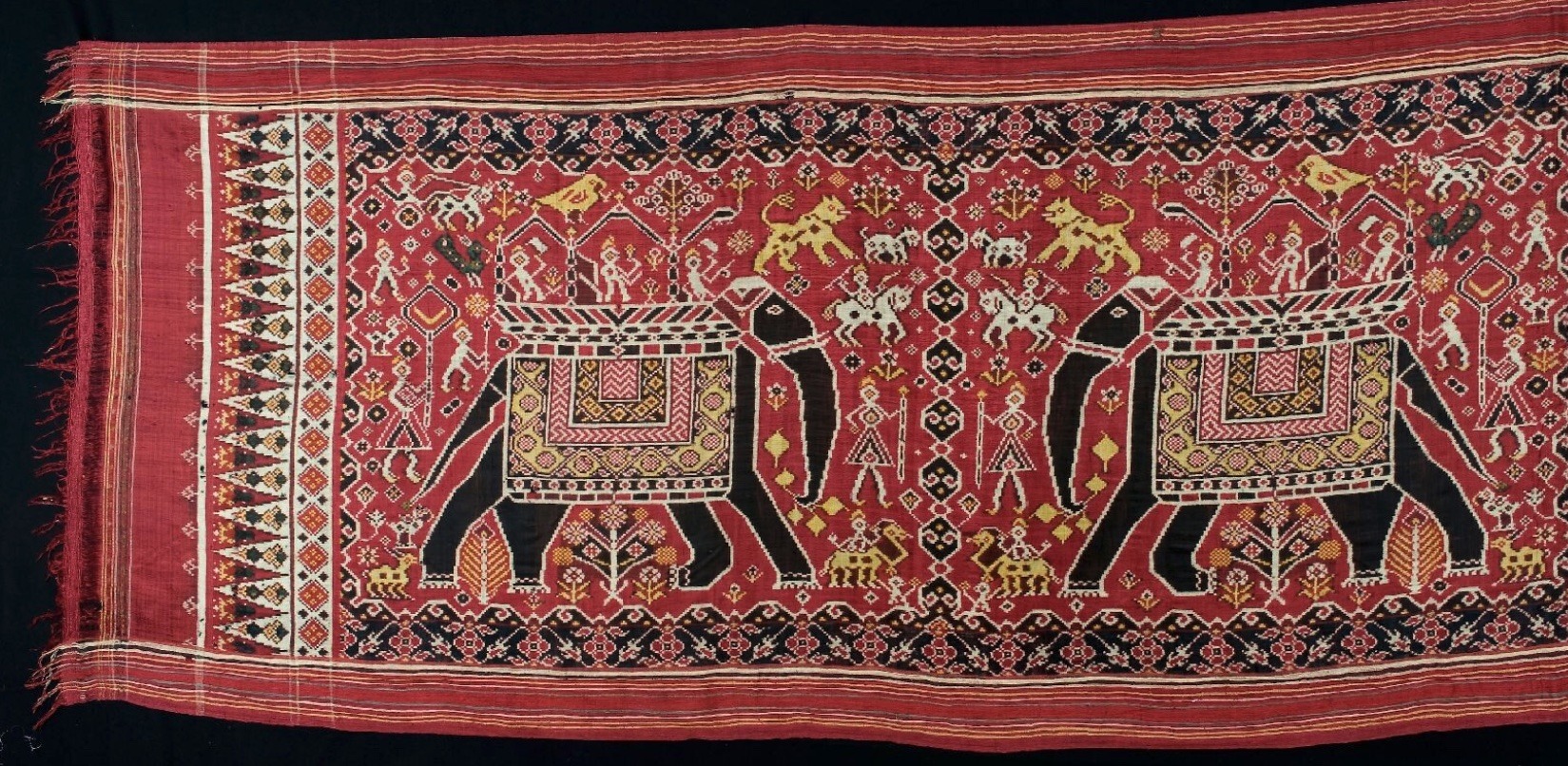
Patola
True patola are silk cloths of double-ikat construction, meaning the pattern is created by dyeing the warp and weft threads in a pattern before weaving. The term is also used for printed imitation cotton patola.
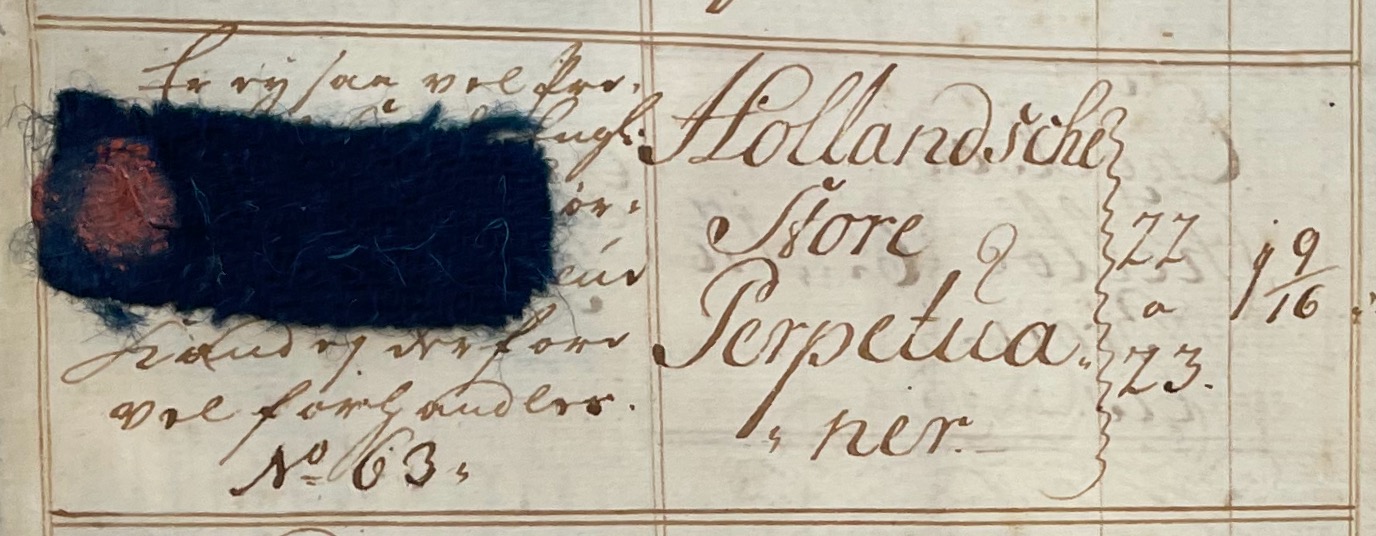
Perpetuanen
A serge (twill-woven wool), hot-pressed and durable fabric made in England, Flanders and Holland. Typically dyed in a single color: blue, green, red (scarlet), sometimes purple, yellow, brown. Traded primarily in Africa.
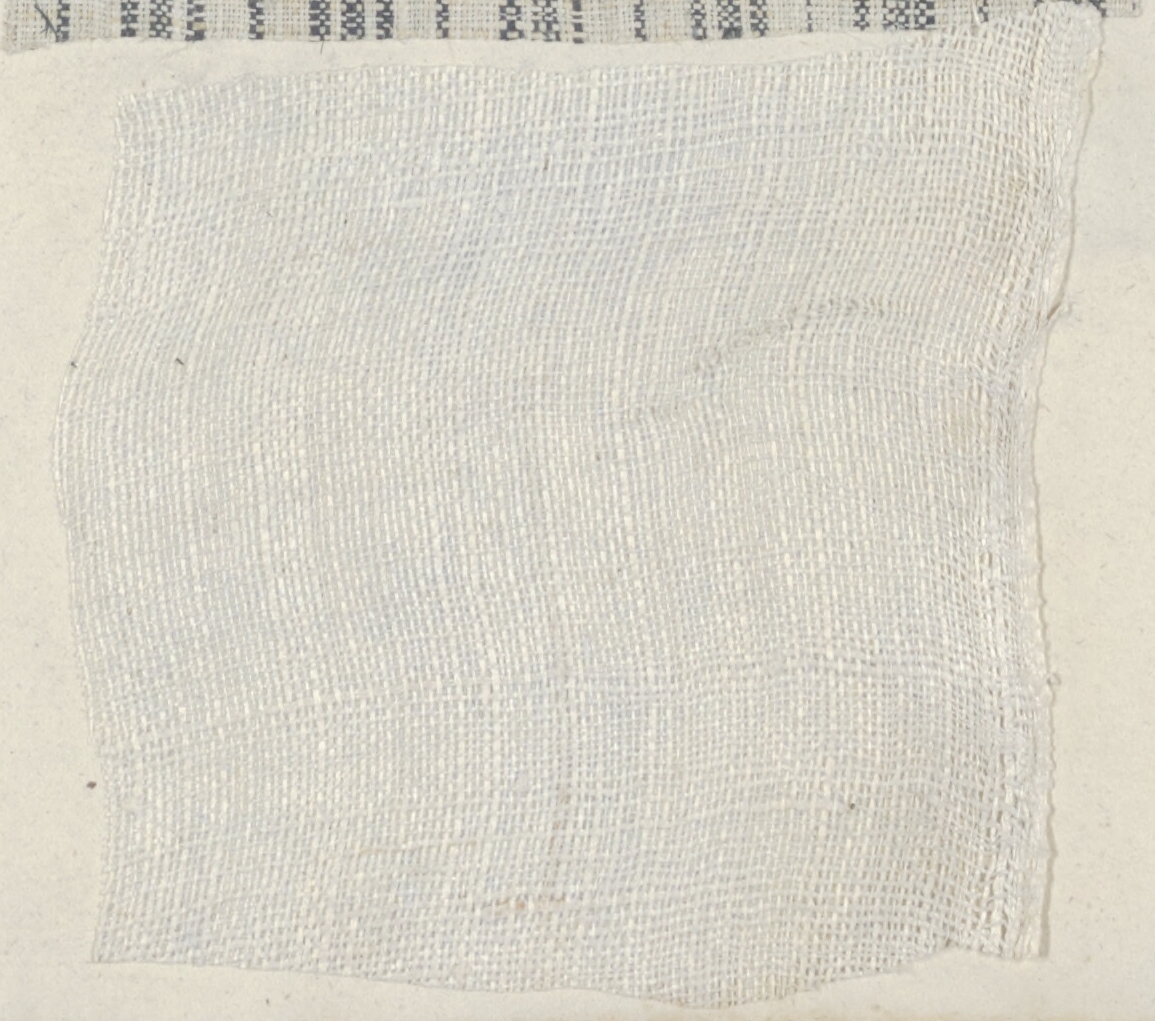
Platillas
A fine bleached linen made in Silesia, but perhaps also Hamburg, Flanders, and Germany. Platillas were shipped by the schock (4 pieces) to West and West Central Africa.
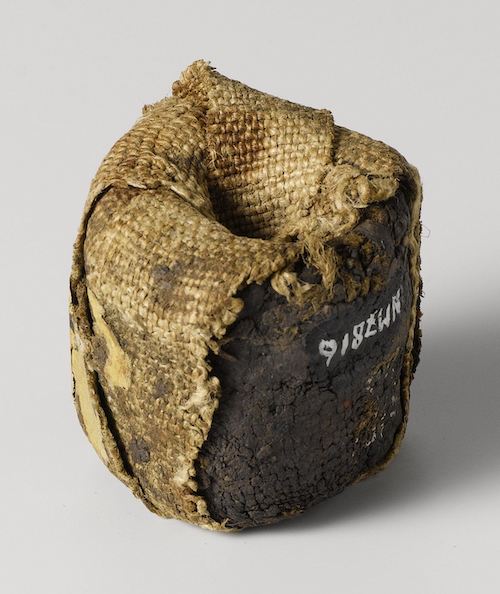
Sail Cloth
A durable plain cloth of varying fibers and weights, used for making sails but also for clothing, hammocks, and other uses. Both European and Asian sail cloth circulated throughout the VOC network, but it is notably rare in the WIC record.
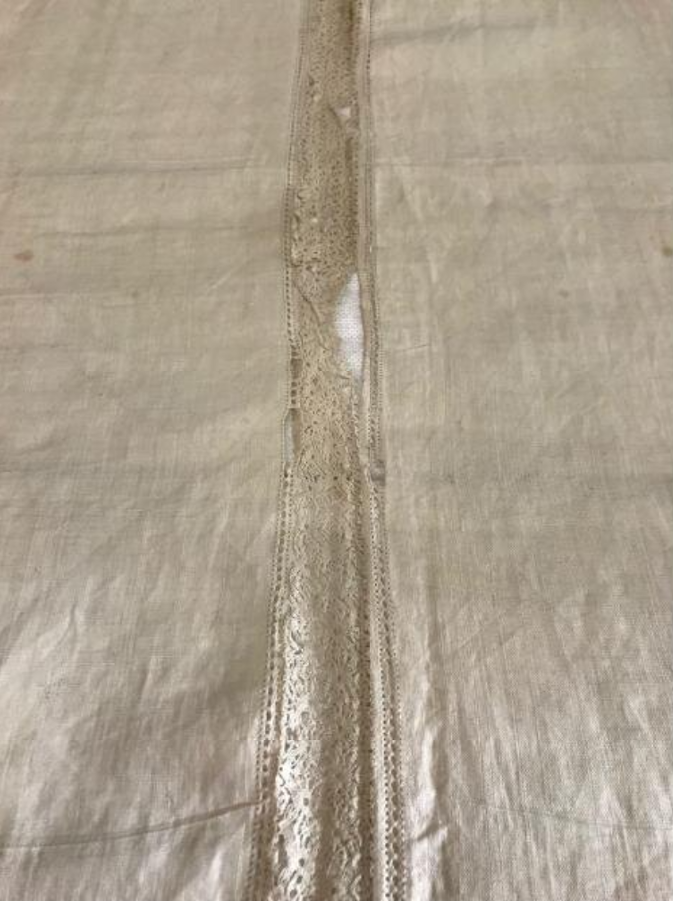
Slaaplakens (Bed Sheets)
Slaaplakens, or bedsheets, were popular trade items on the west coast of Africa. Made from linen, these bedsheets were sometimes described as “old,” meaning second-hand, in secondary sources. Dutch slaaplakens were reportedly the most popular.
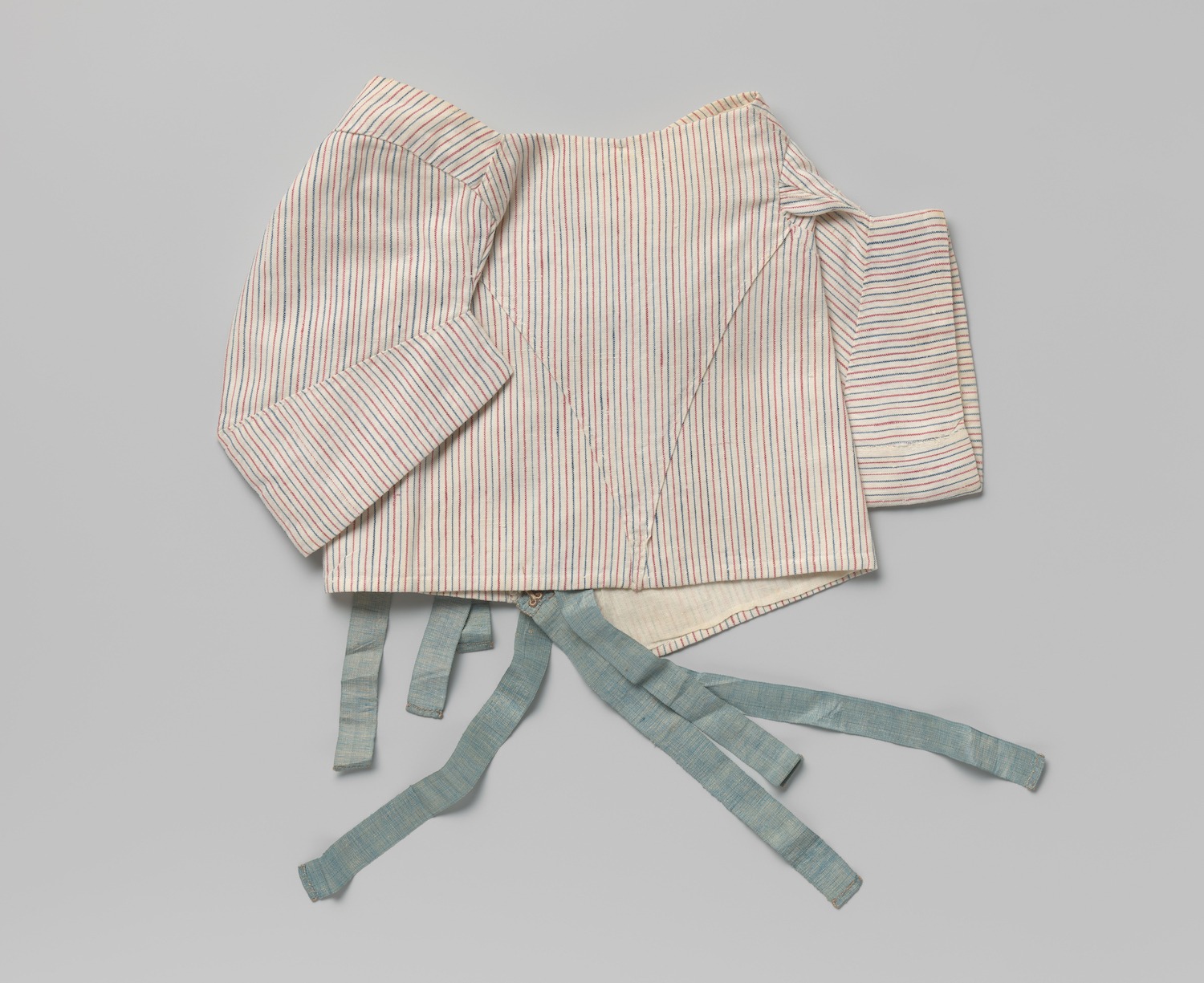
Streep
Refers to a European-made, striped cloth that was probably made of linen. It is often associated with Haarlem, and circulated throughout the Dutch Republic and its colonial outposts in West Africa and the Americas during the eighteenth century.